Creating a home workspace that is both relaxing and productive can make a significant difference in your work-from-home experience. When your workspace helps you focus while also providing comfort and calm, you’ll find it easier to stay motivated and maintain a healthy work-life balance. Here are some practical tips to help you design a home office space that supports both relaxation and productivity.
Choose the Right Location
The first step in creating an ideal workspace is selecting the right spot in your home.
– Quiet and Away from Distractions: Opt for a room or corner that is less trafficked to minimize noise and interruptions.
– Natural Light: Position your desk near a window if possible. Natural light can improve mood and energy levels.
– Separate from Rest Areas: Avoid setting up your workspace in your bedroom or places associated with rest to help maintain clear boundaries between work and personal time.
Prioritize Comfort and Ergonomics
Comfort plays a key role in your ability to work productively.
– Invest in a Good Chair: A supportive, adjustable chair reduces back and neck strain during long hours.
– Desk Height and Monitor Position: Arrange your desk and computer screen so that your eyes are level with the top of the monitor to prevent neck discomfort.
– Footrest and Keyboard Placement: Use a footrest if needed and keep your keyboard and mouse at a comfortable height to avoid wrist strain.
Keep It Organized and Clutter-Free
An orderly space promotes focus and reduces stress.
– Storage Solutions: Use shelves, drawers, or organizers to keep supplies and documents neatly stored.
– Minimal Decor: Avoid cluttering your workspace with too many decorative items that can distract you.
– Daily Clean-up: Spend a few minutes at the end of each workday tidying your desk and organizing your materials.
Create a Calming Ambience
Incorporating relaxing elements can help reduce stress and improve concentration.
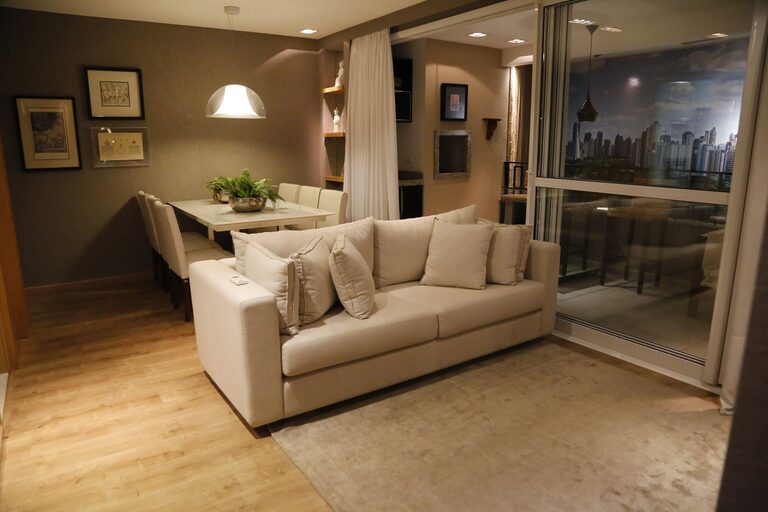
– Use Calming Colors: Soft, neutral tones like blues, greens, or earth tones have a soothing effect.
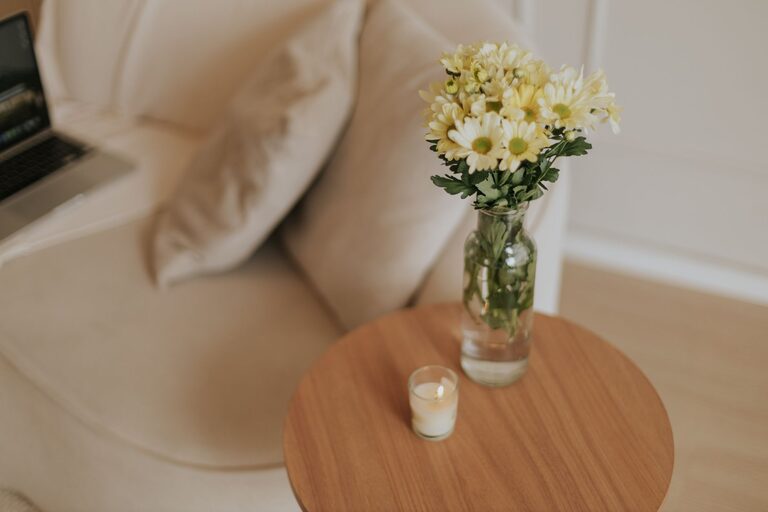
– Add Plants: Indoor plants improve air quality and add a natural touch that can ease tension.
– Incorporate Soothing Scents: A subtle diffuser with lavender or eucalyptus can create a calming environment.
Optimize Lighting
Good lighting can reduce eye strain and enhance mood.
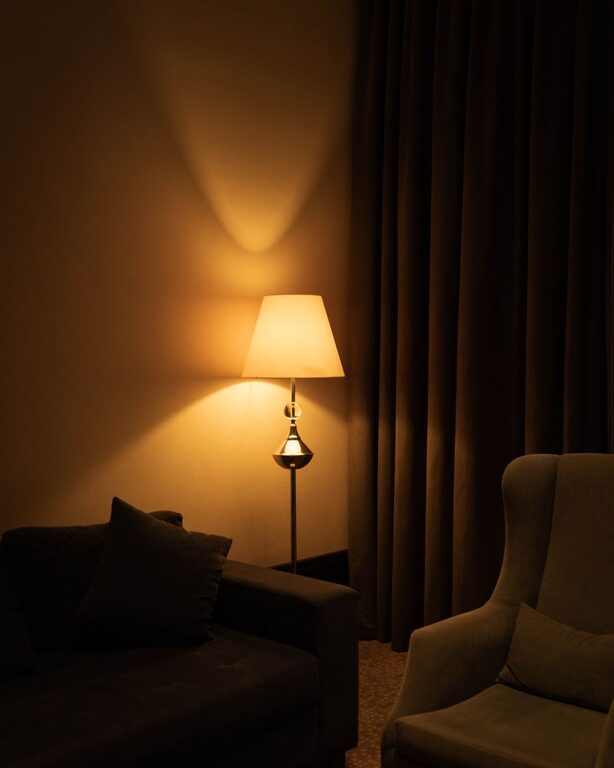
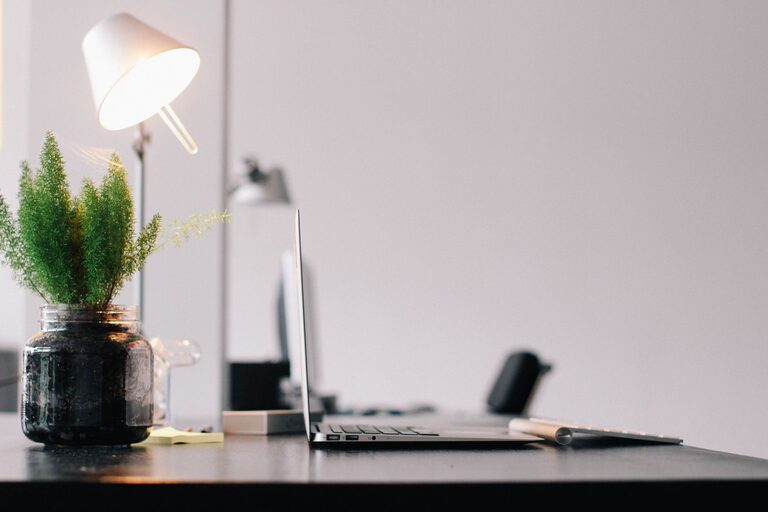
– Combination of Light Sources: Use ambient overhead lighting combined with focused task lighting, like a desk lamp.
– Adjust Brightness: Ensure lighting isn’t too dim or harsh. Consider adjustable lamps or bulbs with dimming features.
– Avoid Screen Glare: Position your screen to reduce glare from windows or lights.
Establish Clear Boundaries
To stay productive, it’s important to separate your work time from personal time.
– Set Work Hours: Decide when you’ll start and end your workday, and stick to it.
– Dedicated Workspace: Limit work activities to your home office space, helping you mentally switch between work and relaxation.
– Use Visual Reminders: Consider a whiteboard or calendar to track tasks and deadlines, keeping your mind focused.
Personalize Your Workspace Thoughtfully
Personal touches can boost motivation but should not become distractions.
– Inspiring Artwork or Photos: Choose a few meaningful pieces that encourage a positive mindset.
– Comfort Items: A cozy throw or cushion can make your space more inviting without clutter.
– Favorite Books or Quotes: Keep these nearby for quick mental breaks.
Incorporate Movement and Break Zones
Avoid sitting all day by making room for movement.
– Standing Desk Option: Consider an adjustable desk to alternate between sitting and standing.
– Stretch or Break Area: If space allows, set up a small area for quick stretches or relaxation exercises.
– Regular Breaks: Schedule short breaks every hour to refresh your mind and body.
Use Technology Wisely
Technology can either improve or hamper your productivity.
– Noise-Canceling Headphones: Useful to block distractions, especially in noisy environments.
– Cable Management: Organize cables to keep your desk tidy and avoid tripping hazards.
– Efficient Tools: Invest in a good-quality keyboard, mouse, and monitor for comfortable use.
Maintain Good Air Quality
The environment you work in also influences your well-being.
– Ventilation: Open windows when possible or use air purifiers to keep air fresh.
– Humidity Levels: Use a humidifier or dehumidifier to maintain comfortable humidity, especially in extreme climates.
– Clean Regularly: Dust and allergens can affect comfort and health; keep your space clean.
—
By combining these strategies, you can create a home workspace that not only supports your efficiency but also fosters relaxation and well-being. A thoughtfully designed space encourages balance, helping you to thrive whether you’re tackling work tasks or taking well-deserved breaks.