Creating a productive home office environment is essential for anyone working remotely or managing tasks from home. A well-designed workspace can boost focus, reduce distractions, and even improve your overall work-life balance. Whether you’re setting up a home office for the first time or looking to improve your current setup, this guide offers practical tips to help you build a space that encourages productivity and comfort.
Choose a Dedicated Workspace
One of the most important steps is to designate a specific area for work. Ideally, this space should be separate from places you relax, such as the living room or bedroom. Having a dedicated spot helps mentally separate work time from leisure time and signals to your brain that it’s time to focus.
Consider These Factors When Selecting Your Space:
– Natural Light: Place your desk near a window if possible. Daylight enhances mood and keeps energy levels up.
– Quietness: Choose a quiet room or corner to minimize noise distractions.
– Space: Ensure there’s enough room for your desk, chair, and any equipment you need.
Invest in Ergonomic Furniture
Comfort is key to maintaining productivity for long periods. Ergonomic furniture supports good posture and reduces the risk of strain or injury.
Must-Have Items:
– Ergonomic Chair: Adjustable height, lumbar support, and cushioning make a big difference.
– Desk: A surface that suits your work style — whether sitting or standing. Consider a sit-stand desk for flexibility.
– Keyboard and Mouse: Ergonomic options can prevent repetitive strain injuries.
Organize Your Workspace
A clutter-free environment makes it easier to focus and feel calm. Use organizational tools to keep everything tidy and within reach.
Tips for Organization:
– Storage Solutions: Shelving, drawers, and filing cabinets help keep papers and supplies in order.
– Cable Management: Use clips, ties, or covers to prevent tangled cords.
– Minimal Decor: Keep decorations simple and inspiring but avoid clutter.
Use Effective Lighting
Proper lighting reduces eye strain and creates a pleasant atmosphere.
– Natural Light: Use curtains or blinds to control brightness and reduce glare.
– Task Lighting: A desk lamp with adjustable brightness helps when working on detailed tasks.
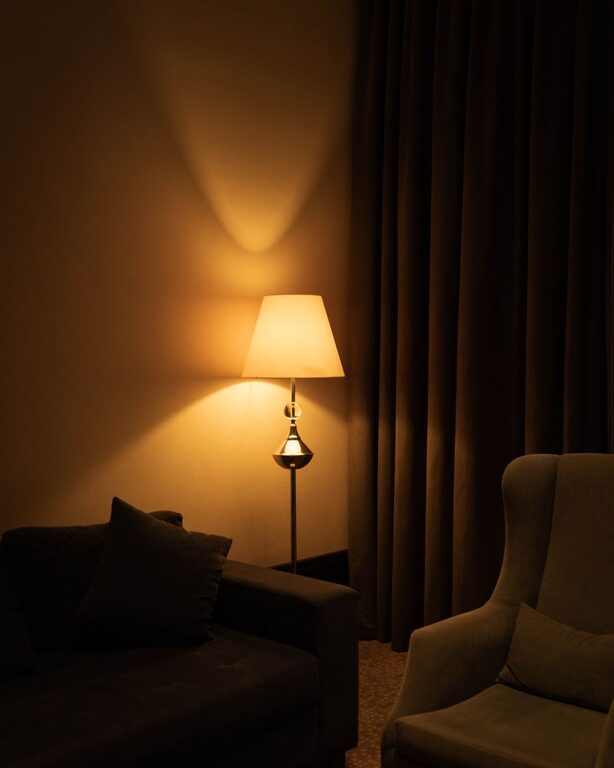
– Ambient Lighting: Soft overhead or floor lamps enhance general room illumination.
Minimize Distractions
Reducing distractions helps keep your mind on the work at hand.
Strategies Include:
– Turn Off Notifications: Silence non-essential phone and computer alerts during work hours.
– Noise Control: Use noise-canceling headphones or white noise machines if needed.
– Set Boundaries: Communicate your work hours to family or housemates.
Personalize Your Space
Adding personal touches can make your workspace more inviting and enjoyable.
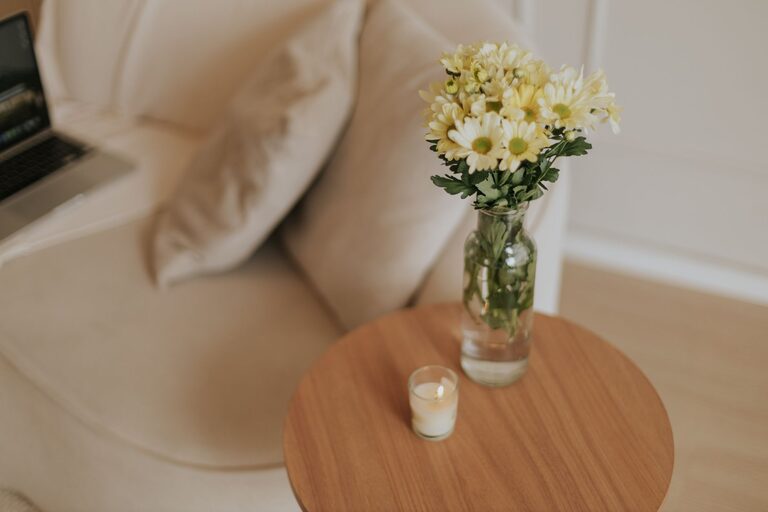
– Plants: Indoor plants add freshness and improve air quality.
– Artwork or Photos: Choose images that inspire or bring calm.
– Comfort Items: A cozy throw blanket or cushion can increase comfort.
Establish a Routine
A consistent schedule fosters productivity and work-life balance.
– Regular Hours: Start and end work at set times.
– Breaks: Take short, frequent breaks to recharge.
– Morning Ritual: Begin your day with a routine that signals the start of work (e.g., coffee, reviewing tasks).
Utilize Technology Wisely
Tech tools can streamline tasks but also cause distractions if mismanaged.
– Organizational Apps: Use calendars, to-do lists, and project management software to stay on track.
– Reliable Equipment: Ensure fast internet and updated hardware to avoid technical issues.
– Digital Boundaries: Limit social media and non-work browsing during work hours.
Maintain Cleanliness
Regularly cleaning your workspace keeps the environment healthy and inviting.
– Daily Tidying: Spend a few minutes clearing your desk at the end of each day.
– Deep Cleaning: Wipe down surfaces and dust weekly.
Consider Air Quality and Temperature
Comfortable air quality and room temperature support concentration and overall health.
– Ventilation: Open windows when possible or use air purifiers.
– Temperature Control: Adjust heating or cooling to a comfortable level.
—
Creating a productive home office environment doesn’t have to be complicated. By focusing on comfort, organization, lighting, and minimizing distractions, you can build a space that helps you work efficiently and feel motivated throughout your day. Remember, the goal is to create a workspace that suits your personal needs and allows you to do your best work from home.