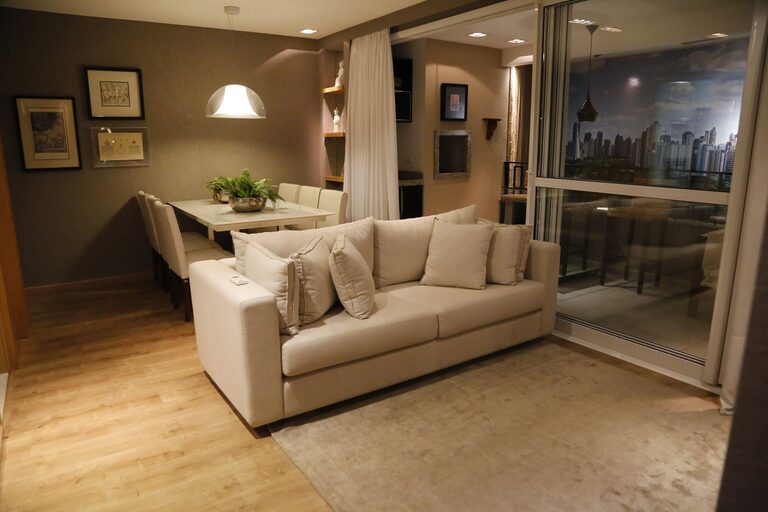
Creating a relaxing home workspace is essential for maintaining both productivity and comfort, especially as more people work from home. When your work area feels inviting and comfortable, it can reduce stress and improve focus, leading to better results throughout your day. This guide offers practical tips to help you set up a peaceful and effective workspace right in your home.
Why a Relaxing Workspace Matters
Working in a cluttered or uncomfortable area can lead to distractions, fatigue, and lower efficiency. A relaxed environment encourages concentration, creativity, and motivation. By designing a space that meets your comfort and functional needs, you can transform your work hours into a more enjoyable and productive experience.
Choose the Right Location
Selecting the best spot in your home for your workspace is the foundation. Here are some factors to consider:
– Natural Light: Position your desk near a window if possible. Natural light helps regulate your circadian rhythm, boosts mood, and reduces eye strain.
– Quiet Environment: Try to find a space away from high-traffic areas to minimize noise and interruptions.
– Privacy: Choose a corner or room where you can concentrate and not feel exposed to distractions.
Invest in Comfortable Furniture
Your chair and desk are two of the most important pieces in creating comfort:
– Ergonomic Chair: Select a chair that supports your lower back and encourages good posture. Adjustable height and armrests add to comfort.
– Proper Desk Height: Your desk should allow your forearms to rest parallel to the floor when typing, helping prevent strain.
– Standing Options: Consider a sit-stand desk for flexibility and to encourage movement throughout the day.
Optimize Lighting
Good lighting reduces eye fatigue and sets a positive tone:
– Task Lighting: Use a desk lamp with adjustable brightness for detailed work.
– Avoid Glare: Position screens away from direct sunlight or use blinds to reduce reflections.
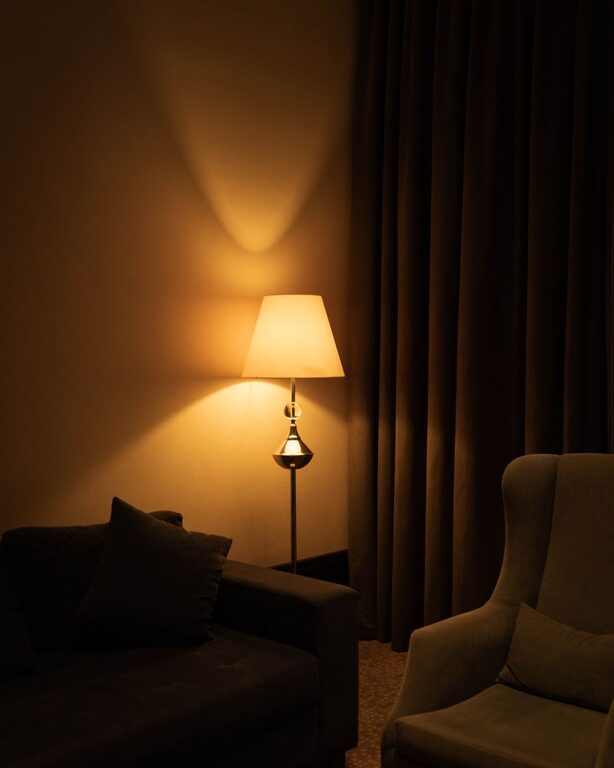
– Warm vs. Cool Light: Warm light creates a relaxing atmosphere, while cooler light can help keep you alert—choose based on your personal preference and task.
Declutter and Organize
A tidy workspace supports a clear mind:
– Minimal Essentials: Keep only necessary items on your desk to avoid distraction.
– Storage Solutions: Use drawers, shelves, or organizers to store supplies out of sight.
– Cable Management: Use clips or sleeves to keep cords neat and prevent tangling.
Personalize Your Space
Add touches that make the area feel inviting and uniquely yours:
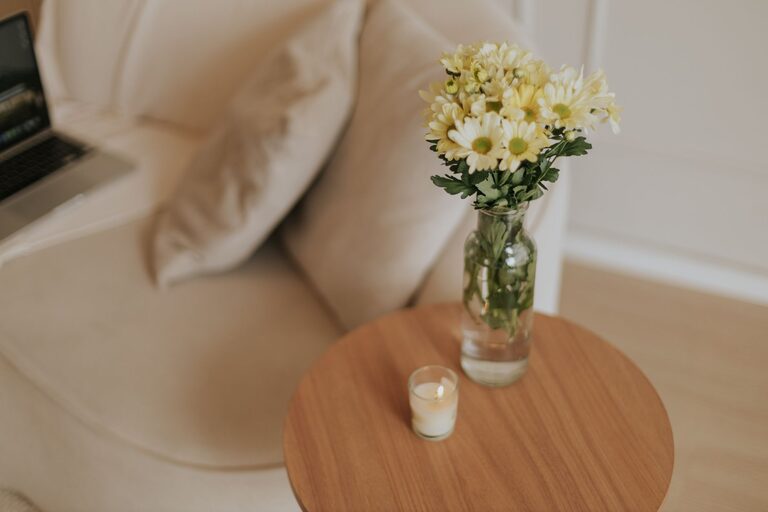
– Plants: Indoor plants can improve air quality and add a calming natural element.
– Artwork or Photos: Display images that inspire or soothe you, but avoid cluttering surfaces.
– Comfort Items: A cozy blanket or ergonomic accessories like a wrist rest can enhance comfort.
Manage Noise and Distractions
Controlling ambient noise helps maintain focus:
– Noise-Canceling Headphones: Great for blocking out household noise.
– White Noise or Soft Music: Playing gentle background sounds can enhance concentration.
– Set Boundaries: Communicate your work hours with others at home to reduce interruptions.
Incorporate Movement and Break Areas
Taking regular breaks helps avoid burnout and keeps energy levels high:
– Stretching Space: Leave room to stretch or do light exercises near your desk.
– Break Zone: If possible, have a separate area for rest so you can mentally switch off from work when needed.
Maintain a Consistent Routine
A relaxing workspace works best when paired with healthy habits:
– Regular Cleanup: Spend a few minutes each day tidying to avoid buildup.
– Scheduled Breaks: Use timers or apps to remind you to stand up and rest your eyes.
– Personal Comfort: Adjust temperature, hydration, and lighting throughout the day to stay comfortable.
Final Thoughts
Designing a relaxing home workspace takes some planning but pays off by increasing your comfort and productivity. By focusing on lighting, furniture, organization, and personal touches, you can create an environment that supports your best work. Remember, a well-arranged workspace isn’t just about aesthetics—it’s about crafting a space that feels good to be in, so work feels less like a chore and more like a pleasure.